In today’s content-driven landscape, music plays a vital role in how brands connect with their audience. It adds energy, emotion, and identity to videos, reels, ads, and campaigns. But while picking the right track might feel like a creative choice, it’s also a legal one. And unfortunately, many brands are unknowingly using copyrighted music in ways that could land them in trouble.
Here are five clear signs your brand may be using copyrighted music illegally — and how you can fix it before it becomes a problem.
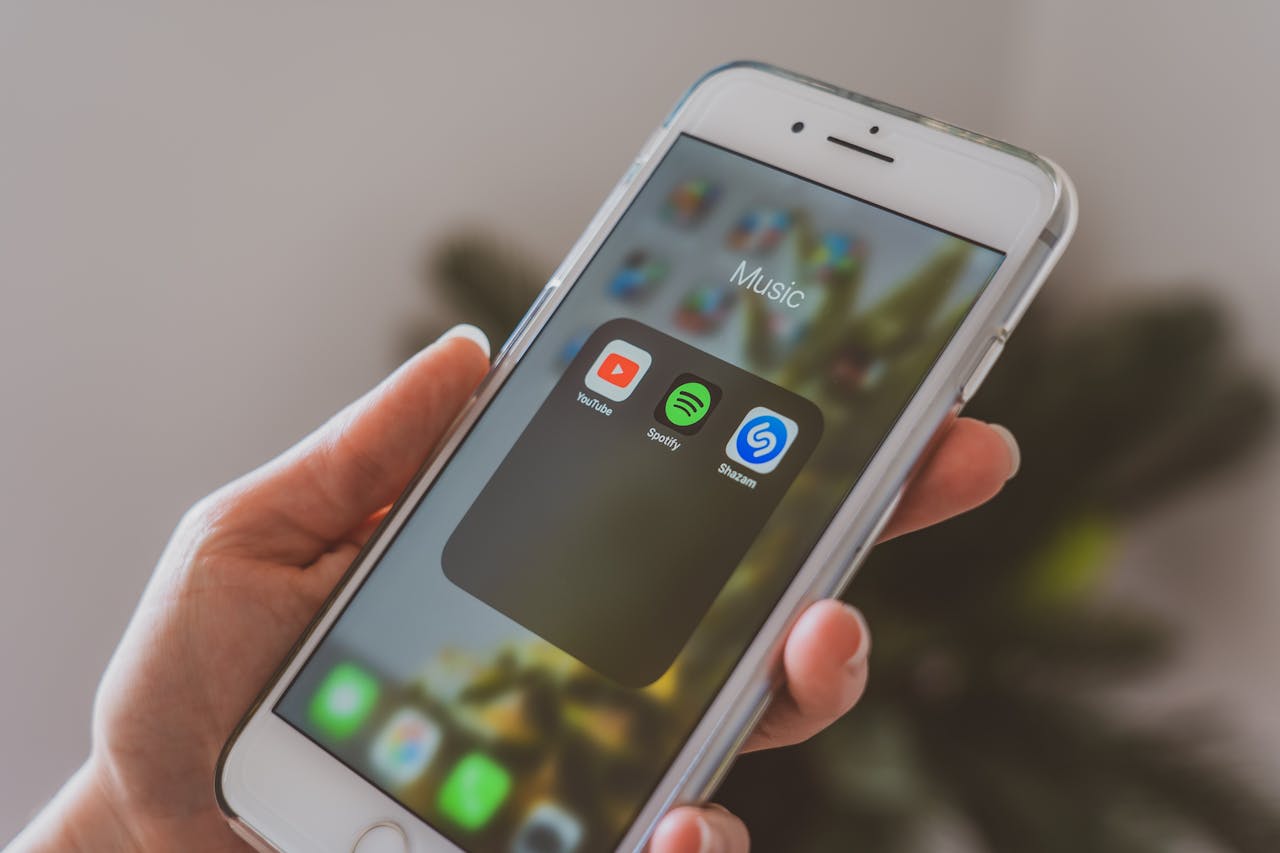
You Downloaded Music from YouTube or Spotify for Your Brand Content
This is a red flag that many creators and marketers overlook. If your brand is downloading songs from platforms like YouTube, Spotify, or Apple Music and using them in videos or ads, you’re likely violating copyright law.
Streaming platforms are designed for personal listening—not for commercial use. Downloading music from them (even with a subscription) doesn’t give you the right to use that track in a marketing video, a reel, or a product ad. In fact, doing so can result in your content being flagged, removed, or demonetized.
What you should do instead: Use licensed music libraries or royalty-free platform – Hoopr Smash, which provide pre-cleared tracks for branded and commercial use.

You Don’t Have Any License Agreement or Proof of Rights
If your brand can’t show clear proof of licensing for the music you’re using, there’s a high chance you’re using it illegally. Simply having access to a track (even if you paid for it) doesn’t mean you own the right to use it in your content.
A licensing agreement typically outlines where and how you can use the music—whether in social posts, digital ads, radio, or television. Without such a document, your usage may be considered unauthorized, especially if the music belongs to a third-party creator or label.
Best practice: Always store and organize your music licenses so they’re readily available if needed—especially during audits or disputes.
You Rely on “Fair Use” Without Understanding What It Really Means
Many brands assume their use of a popular track falls under “fair use,” but in reality, that’s rarely the case. Fair use is a complex legal doctrine that generally applies to commentary, critique, education, or parody—not commercial advertising or brand promotions.
Unfortunately, just saying something is “fair use” doesn’t make it so. The courts make that decision, and if you’re using copyrighted music in your content to sell, promote, or entertain, it likely doesn’t qualify.
Pro tip: If you’re unsure, always err on the side of caution and use music that is explicitly licensed for your intended use.

Your Content Has Been Muted or Flagged on Social Media Platforms
If Instagram, YouTube or Facebook has ever muted your video or flagged it for copyright infringement, take it as a serious warning. These platforms use advanced content recognition systems (like YouTube’s Content ID) to detect copyrighted audio—even just a few seconds of it.
A flag means the system has identified copyrighted content that you don’t have permission to use. This not only affects the performance of your content but can also harm your account’s standing over time.
Bottom line: If your content is getting flagged, it’s likely you’re not using properly licensed music.
You Bought Music from a Stock Site Without Reading the License Terms
Stock music sites can be a great resource—but only if you understand the license that comes with your purchase. Many sites offer music under different license tiers: personal, online-only, broadcast, etc. If you buy a personal-use track and use it in a sponsored campaign or TV commercial, you could be violating the terms.
Some licenses also have time limits or geographic restrictions. Not reading the fine print can lead to unintentional misuse.
Solution: Always review license tiers and terms before purchasing. Opt for platforms that clearly define usage rights, or offer unlimited commercial use.
Final Thoughts
Using copyrighted music without proper licensing—even unintentionally—can result in serious consequences, from muted videos and demonetization to legal action. As a brand, it’s your responsibility to ensure every asset you use is cleared for commercial use.
A simple way to stay safe is to use music from platforms that offer pre-cleared, royalty-free tracks designed specifically for branded content. Hoopr Smash makes it easy to browse and license tracks for campaigns, ads, videos, and more without legal headaches.
Take action today: Audit your current music library, review your licenses, and switch to a reliable, legal source of brand-ready music.